

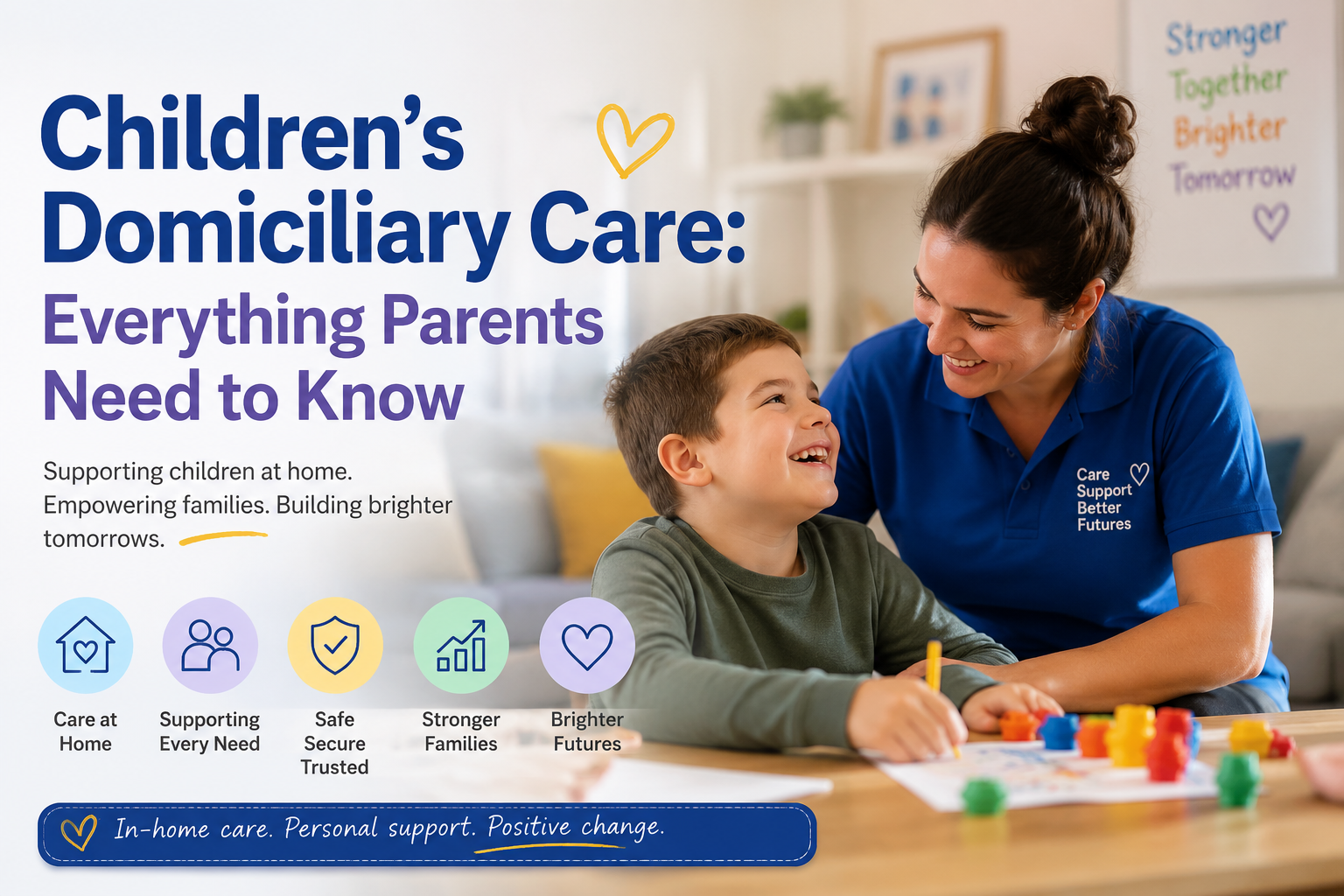
Every parent wants their child to feel safe, happy and supported, especially when they are living with a disability, a long-term illness or complex care needs. However, balancing medical appointments, daily routines, personal care and family responsibilities can quickly become overwhelming. Many parents worry about how they can provide the right level of care while ensuring their child continues to enjoy a fulfilling childhood.
This is where children’s domiciliary care can make a meaningful difference. Instead of receiving ongoing support in a hospital or residential setting, children can access personalised care in the comfort and familiarity of their own home. Home-based care helps children maintain their routines, stay close to their families and receive the individual attention they need to thrive physically, emotionally and socially.
Choosing professional children domiciliary care in London, UK is not about replacing the role of parents. It is about giving families the extra support they need to manage everyday challenges with confidence. Whether a child requires occasional assistance, specialist medical support or long-term care, professional carers work alongside families to create a safe, nurturing environment where children can grow with dignity and independence.
In this guide, we’ll explore what children’s domiciliary care involves, who it supports, the services available, its benefits for children and families and how to choose a trusted care provider. By the end, you’ll have a clear understanding of whether home-based care could be the right solution for your child’s unique needs.
What Is Children’s Domiciliary Care?
Children’s domiciliary care is a specialist home care service that provides personalised support to children with disabilities, complex medical conditions, learning difficulties or long-term health needs. Rather than receiving ongoing care in a hospital or residential facility, children can receive professional support in the familiar surroundings of their own home. This approach allows them to stay close to their families while continuing with the routines and activities that are important to their development.
Every child’s needs are different, so there is no single approach to home care. Some children may only need help for a few hours each week, while others require daily assistance or more specialised support. Care plans are designed around each child’s physical, emotional and developmental needs, ensuring they receive the right level of care at every stage of their journey.
A pediatric domiciliary care service can include support with personal care, mobility, medication, feeding, communication, educational routines and social activities. For children with more complex healthcare needs, trained carers also work alongside parents and healthcare professionals to provide safe, consistent and high-quality care that meets agreed care plans.
The greatest advantage of home-based care is that it allows children to remain where they feel most comfortable. Familiar surroundings often reduce anxiety, strengthen emotional well-being and encourage greater independence. At the same time, families receive valuable support that helps them balance caregiving responsibilities while ensuring their child continues to receive compassionate and professional care every day.
Which Children Can Benefit from Children’s Domiciliary Care?
Every child is unique and so are their care needs. Domiciliary services for children are designed for children who need extra support with daily living, health management or personal development while remaining in the comfort of their own home. The level of care can range from a few hours each week to full-time assistance, depending on the child’s individual circumstances.
Children with Physical Disabilities
Children with physical disabilities may need help with mobility, personal care, transfers or daily activities. Professional carers provide practical support while encouraging children to develop independence and confidence wherever possible. With the right assistance, children can participate more comfortably in family life, education and community activities.
Children with Autism or Learning Disabilities
Many children with autism spectrum disorder (ASD) or learning disabilities benefit from structured routines and familiar environments. Home care can provide consistent support that helps reduce anxiety, improve communication and encourage positive daily habits. Carers also work closely with families to maintain routines that promote emotional well-being and stability.
Children with Complex Medical Needs
Some children require ongoing medical support because of neurological conditions, genetic disorders, respiratory illnesses or other long-term health conditions. Trained carers can assist with medication, feeding support, monitoring health needs and following personalised care plans developed with healthcare professionals, giving families greater peace of mind.
Children Recovering from Illness or Surgery
Children recovering from surgery, serious illness or hospital treatment may need temporary support while they regain their strength and independence. Home-based care helps make this transition smoother by providing assistance with daily routines, mobility and personal care, allowing recovery to take place in a familiar and reassuring environment.
Children Who Need Extra Support with Everyday Life
Not every child receiving home care has a complex medical condition. Some children simply need additional help with everyday activities due to developmental delays or other ongoing challenges. A personalized care plan can provide the right level of support while helping children build confidence, learn new skills and enjoy a better quality of life alongside their families.
What Services Are Included in Children’s Domiciliary Care?
No two children have the same needs, which is why children’s domiciliary care is tailored to each family. Support can range from help with everyday activities to specialist care for children with complex health conditions. The goal is to help children live safely, comfortably and as independently as possible while remaining in their own homes.
Personal Care and Daily Living Support
Many children need assistance with personal hygiene, dressing, bathing, toileting and meal preparation. Professional carers provide this support with patience and respect, helping children maintain their dignity while encouraging them to develop practical life skills at their own pace.
Medication and Health Management
Some children require regular medication or ongoing health monitoring as part of their daily routine. Carers can support families by administering medication as directed, observing changes in a child’s condition and following agreed care plans to ensure consistent and safe care.
Mobility and Physical Assistance
Children with physical disabilities or limited mobility may need help moving around the home or taking part in everyday activities. Carers assist with transfers, mobility equipment and physical support, helping children stay active and participate more comfortably in daily life.
Feeding and Nutritional Support
For children with feeding difficulties or specific dietary requirements, carers can provide safe mealtime assistance while following nutritional guidance from parents and healthcare professionals. Proper feeding support helps children maintain their health, energy and overall well-being.
Emotional, Social and Educational Support
Home care goes beyond meeting physical needs. Carers encourage children to build confidence, develop social skills, enjoy hobbies and maintain structured daily routines. They can also support educational activities, helping children stay engaged with learning while promoting emotional well-being and personal growth.
Respite and Overnight Care
Caring for a child with additional needs can be physically and emotionally demanding. Respite care gives parents and family members time to rest, attend appointments or focus on other responsibilities, knowing their child is receiving safe and compassionate support. Overnight care is also available for families who need additional reassurance during the night.
By combining practical assistance with emotional support, professional children domiciliary care helps children achieve the best possible quality of life while giving families the confidence that their loved one is receiving personalized care tailored to their unique needs.
Top Benefits of Children’s Domiciliary Care
Choosing home-based care is about much more than convenience. It allows children to receive the support they need while remaining in a place where they feel secure, loved and understood. For many families, children’s domiciliary care creates a healthier balance between meeting medical needs and enjoying everyday family life.
A Familiar Environment Builds Confidence
Children often feel more relaxed when they are surrounded by familiar people, routines and belongings. Being at home can reduce anxiety, improve emotional well-being and help children feel more confident during daily activities. A comfortable environment also makes it easier for children to adapt to care while maintaining a sense of normality.
Personalised Care for Every Child
Every child has different strengths, challenges and goals. Home care provides one-to-one support based on a personalised care plan rather than a one-size-fits-all approach. This allows carers to focus on each child’s individual needs, preferences and pace of development, creating a more meaningful and effective care experience.
Greater Involvement for Parents and Families
Unlike institutional settings, home care allows parents and family members to remain actively involved in their child’s care. Families can communicate directly with carers, participate in care planning and make informed decisions together. This collaborative approach creates consistency and strengthens the child’s overall support system.
Encourages Independence and Life Skills
One of the main goals of domiciliary care is to help children become as independent as possible. With the right guidance, children can gradually develop everyday skills such as personal hygiene, communication, mobility and decision-making. Small achievements over time can improve self-confidence and prepare children for greater independence in the future.
Flexible Support That Adapts to Changing Needs
Children’s care needs can change as they grow, recover from illness or develop new skills. Home care offers the flexibility to adjust support without disrupting the child’s routine. Whether additional care is needed temporarily or long term, personalised care plans can be updated to reflect changing circumstances.
Better Peace of Mind for the Whole Family
Knowing that a trained professional is providing safe and compassionate care allows parents to focus on work, other children or simply take time to recharge. This support can reduce stress, prevent caregiver burnout and create a healthier environment for the entire family. When parents feel supported, children often benefit from a calmer and more positive home life.
Why Families Choose Open House Care in UK
Finding the right care provider is one of the most important decisions a family can make. Beyond qualifications and experience, parents want a team that listens, understands their child’s unique needs and provides support with compassion and respect. Building trust is just as important as delivering quality care.
Care Plans Built Around Every Child
No two children are the same, so every care plan should reflect their individual needs, abilities, interests and daily routines. A personalised approach ensures support evolves as children grow and their circumstances change, helping them achieve the best possible quality of life.
Experienced and Compassionate Care Professionals
Children thrive when they feel safe and comfortable with the people supporting them. Experienced carers not only provide practical assistance but also build positive relationships through patience, kindness and encouragement. This helps children develop confidence while giving parents reassurance that their loved one is in capable hands.
Working Together with Families
The best outcomes are achieved when carers and families work as one team. Regular communication, shared goals and ongoing feedback ensure care remains consistent and responsive to each child’s changing needs. Parents remain at the centre of every decision, with professional support available whenever it is needed.
A Commitment to Safe, High-Quality Care
At Open House Care, every service is delivered with a strong focus on dignity, safety and respect. Our team is committed to creating a supportive environment where children can feel comfortable, continue their daily routines and enjoy meaningful opportunities to learn, grow and participate in family life. By taking the time to understand every family’s unique situation, we provide affordable kids’ domiciliary care that is both compassionate and dependable in the UK.
Frequently Asked Questions
What is the difference between domiciliary care and residential care?
Domiciliary care allows children to receive personalised support while continuing to live at home with their families. Residential care involves living in a dedicated care facility where support is available around the clock. Many families choose home-based care because it helps children remain in familiar surroundings and maintain their daily routines.
Is home care suitable for children with complex medical conditions?
Yes. Many children with long-term illnesses, physical disabilities, neurological conditions or complex healthcare needs can receive safe support at home. Care is planned around each child’s medical requirements and is often delivered in collaboration with healthcare professionals and family members.
How many hours of support can a child receive?
The amount of support depends on the child’s individual needs. Some families require only a few hours each week, while others may need daily visits, overnight care or full-time assistance. Care plans can also be adjusted as a child’s needs change over time.
Can parents stay involved in their child’s care?
Absolutely. Parents remain at the heart of every care decision. Professional carers work alongside families, providing additional support rather than replacing the important role parents play in their child’s life. Regular communication helps ensure everyone works towards the same goals.
How do I choose the right home care provider for my child?
Look for a provider with trained carers, strong safeguarding practices, clear communication, flexible care options and positive reviews from families. It is also important to choose a team that takes time to understand your child’s unique needs and involves you throughout the care journey.
Helping Your Child Thrive Starts with the Right Support
If you’re looking for a kids’ domiciliary service near me in the UK , Open House Care is here to help. Contact our friendly team today to discuss your child’s needs and discover a personalised care plan that gives your family confidence and peace of mind.


